A New Beat
Beat Saber is a hit, but hasn’t evolved much since 2019. Executives needed player insights to lock in the game’s future direction.
Project
Early prototype research to determine the first major new game mode for Beat Saber since its launch
People
My role: UX Research Lead, responsible for planning, execution, and driving impact of insights
Primary stakeholders: Head of Beat Games Studio; Game Director; VP of Metaverse Content
Context & Problem
Beat Saber is a very popular and well-known Virtual Reality rhythm game that was released in 2019. Aside from some fairly subtle updates, the core gameplay had not changed much in that time, relying mostly on new downloadable music packs to keep things fresh. But in 2025, the Beat Games team began planning a large update that would include an entirely new game mode in addition to some other great features that players had been asking for. The studio had been exploring four wildly different prototypes for the new mode, but executive leadership needed to lock in a single product direction in under two months. We had to figure out which concept could thread a very difficult needle by fitting all of these requirements:
- Loyal to the Base: Which prototype(s) were considered the most enjoyable by the existing (and very dedicated) Beat Saber player base?
- Loyal to the Brand: What characteristics did existing players consider core to the “Beat brand”? Which prototypes felt like they fit the brand, and why?
- Approachable to New Players: As Meta continues to expand its device lineup in ways that may open up new audiences, which prototype(s) were also enjoyable to new-to-VR users?
- Easy to Learn: Beat Saber is widely known for being easy to learn the basics, with a long tail of mastery. Which prototypes could be quickly learned by existing players and new users alike?
- Hands-first: While current-generation Quest devices also support hand-tracking, it’s a core feature of the new devices. Which prototypes felt the most natural to play without controllers?
Approach
The need to make a final call on game direction came suddenly, and I was hit with an 11th-hour executive mandate to scale what was originally planned to be an 8-person usability test into a large-scale comparative preference evaluation with dozens of players, right in the middle of a severe participant recruiting drought that was challenging many local UXRs at Meta.
To meet the aggressive timeline without compromising the data, I negotiated a pragmatic hybrid approach: 30 deep qualitative sessions split between external VR owners (a challenging recruit at the time) and internal, non-gaming Meta employees. Since a truly significant quantitative preference would be a stretch, instead of just asking for a favorite, I focused on observable learnability and the “why” behind their preferences, cross-referencing both cohorts to ensure our internal sample wasn’t skewing the data.
Key Insights
Two Ruled Out: Findings were very consistent between external and internal players, and we quickly eliminated two prototypes. One felt built for a completely different device, and the other felt too similar to the base game.
Two Contenders: The two finalists both nailed the futuristic “Beat brand” aesthetic, and were fun and easy for both novices and pros to pick up. However, while one made interesting use of Mixed Reality, the other clearly emerged as a highly natural, satisfying fit for hand-tracking gameplay.
Impact
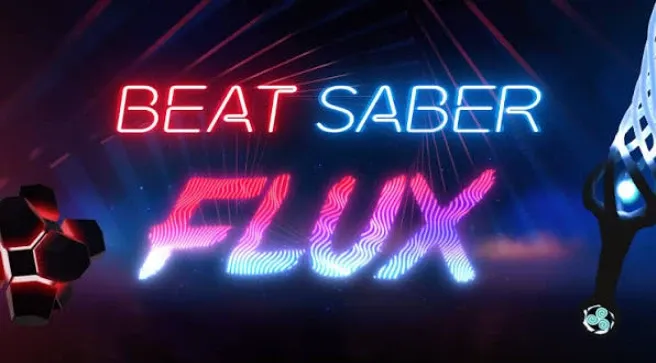
Direction Locked In: I recommended the stronger hands-first prototype, proving through the data that it would perfectly highlight next-gen hardware capabilities while still functioning flawlessly on existing Quest headsets. Because the internal and external participant data showed strong, consistent alignment, executive leadership had the confidence to officially lock in the game direction. The mode went on to active development, and was publicly announced as Flux at Meta Connect 2026.
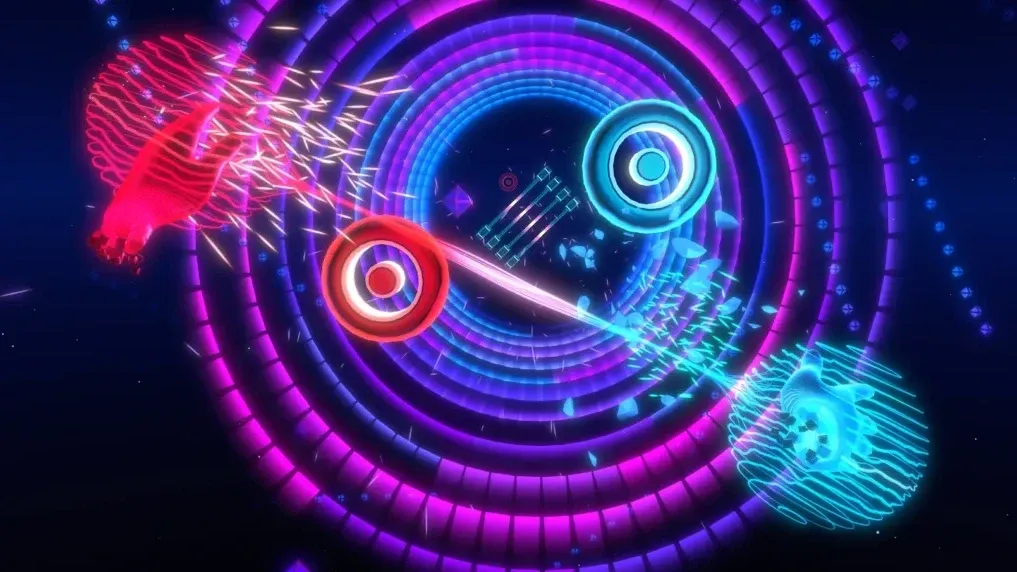
NDAs are serious business. While I can’t share proprietary deliverables, real participant photos, or raw data, I’ve designed this portfolio to highlight the strategic thinking and impact of the work.